

As the books close on the first half of 2025, the U.S. auto industry is sending a clear and costly message: tariffs are taking a substantial bite out of the bottom line. While dealership lots remain busy, a look at the quarterly financial reports from the top-selling auto brands reveals a story of eroding profits and strategic pain. The multi-billion-dollar question is becoming increasingly urgent: Who is footing the bill? The answer, it seems, is a painful combination of investors watching their portfolios shrink and consumers facing higher prices at the dealership. The cost of the trade war is no longer an abstract economic theory; it’s being paid in your 401k and in the monthly payment for a new car.
Let’s break down the specific impact on the top auto brands in the U.S. for Q1 and Q2 2025.
Deep Dive: The Financial Impact on Top U.S. Market Players
The financial strain is most evident among the top-selling automakers, who are now quantifying the tariff damage in their quarterly earnings calls.
General Motors (GM): 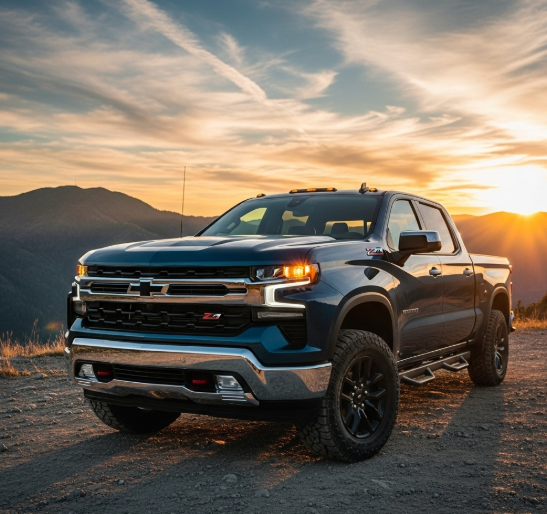
A leader in U.S. sales, GM faced a stark reality in its second-quarter results. The company reported that tariffs on imported components cost it a staggering $1.1 billion in Q2 2025 alone. This direct financial hit was a primary driver behind its 35% drop in quarterly net income. While its Chevrolet brand saw a 6% increase in units sold for the first half of the year, the profitability of each vehicle sold was significantly diminished.
Ford Motor Company: 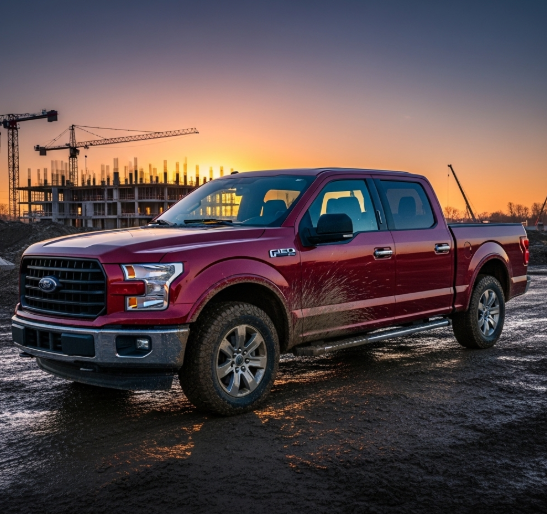
Ford’s story mirrors its crosstown rival. The automaker quantified the tariff impact at $200 million in Q1, a figure that quadrupled to $800 million in Q2. This resulted in a 40% plunge in net income for the second quarter. Despite a healthy 7% increase in first-half unit sales, the company’s profit margins are being squeezed, forcing it to re-evaluate pricing and global supply chains.
- Q1 2025: -$200 Million direct tariff cost.
- Q2 2025: -$800 Million direct tariff cost; -40% Net Income.
- H1 2025 Unit Sales: 1,052,577 units (+7%).
Toyota: 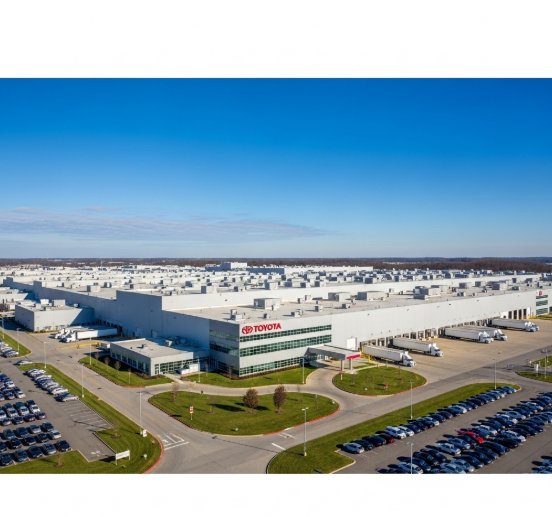
As a top seller in the U.S., the Japanese automaker is not insulated from American trade policy. While Toyota has a massive U.S. manufacturing presence, its complex global supply chain means it still relies on imported parts and some vehicle models. The company has pointed to rising material and logistics costs, compounded by tariffs, as a significant factor pressuring its operating income. For Q2, Toyota Motor North America saw a decline in its operating profit margin, directly attributing it to these external cost pressures.
- Impact: While a specific U.S. tariff cost isn’t broken out, the company’s North American division reported a ~15% drop in operating profit for the quarter, citing supply costs as a key factor.
- H1 2025 Unit Sales: 1,237,301 units (+11%).
Stellantis:
The parent of iconic American brands like Jeep and Ram has perhaps felt the sharpest sting. The company posted a net loss of €2.3 billion (approx. $2.5 billion) for the first half of 2025, with executives explicitly naming tariffs as a major cause. The financial losses come even as its Ram truck brand saw a slight sales increase.
- Impact: Net Loss of ~$2.5 Billion for the first half, with tariffs cited as a primary driver.
- H1 2025 Unit Sales (Jeep): 289,398 units (-5%).
- H1 2025 Unit Sales (Ram): 203,984 units (+2%).
Honda:
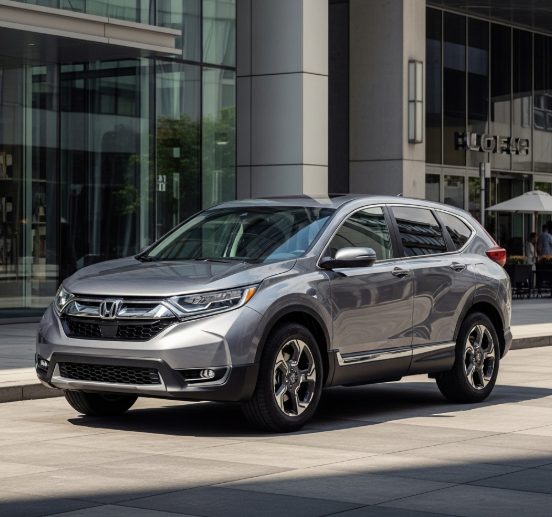
Similar to Toyota, Honda’s extensive U.S. manufacturing does not fully shield it from tariff impacts on imported parts. The company’s Q2 financial report noted that “unfavorable foreign exchange effects and increases in raw material costs” hurt profitability. These increased costs are a direct consequence of the trade environment.
- Impact: Honda’s North American operating income saw a decrease of over 10% in the second quarter, absorbing higher supply chain costs.
- H1 2025 Unit Sales: 691,012 units (+14%).
The Investor vs. The Consumer: A Two-Front War

The financial data reveals the core dilemma. Automakers are caught between two choices, neither of them good.
- Absorb the Cost (The Investor Pays): As seen with GM, Ford, and Stellantis, when companies absorb these billion-dollar tariff costs, the immediate result is a plunge in net income. This directly impacts the stock price and the value of investment portfolios, including the 401(k) and pension funds held by millions of Americans. While Chinese automakers like BYD (+18% YTD) and Geely (+12% YTD) see their share prices rise on the back of growth in other global markets, U.S. automakers are struggling to deliver shareholder value. In the first half of 2025, Ford’s stock is down 8% and GM’s is down 5% year-to-date, reflecting the market’s concern over profitability.
- Pass the Cost to Consumers (The Car Buyer Pays): To protect profits, the alternative is to raise the Manufacturer’s Suggested Retail Price (MSRP). Automakers have been steadily increasing prices, blaming inflation and supply chain issues. However, these tariffs are a significant, if less advertised, part of that equation. A $1,000 increase in component costs due to tariffs can easily translate to a $1,500 or higher sticker price for the consumer. This pricing pressure risks slowing down sales, as buyers are stretched thin and pushed out of the new car market.
Ultimately, there is no escaping the tariff toll. The billions of dollars being levied on the auto industry are not absorbed by a void; they are being paid for, dollar by dollar, by American investors seeking to build their retirement and by American families seeking a new vehicle. The financial reports from the first half of 2025 are not just numbers on a page—they are the receipt for a trade war, and the bill is coming due for everyone.





 TheLoganZone
Leave a comment