

As summer winds down, millions of students are preparing to head to high school and college campuses across the country. For many, this milestone comes with a new set of keys. Choosing a first car is an emotional decision, but it should be a rational one. Forget flashy features and clever marketing; the right vehicle for a student is found at the intersection of hard data.
This is not another “Top 5 Coolest Cars” list. This is a deep dive into the four pillars of a truly smart vehicle choice for any student or parent: verifiable safety, proven reliability, long-term affordability, and essential technology. We’ve analyzed the data so you can make the most informed decision possible.
1. The Safety-First Metric: The IIHS Honor Roll
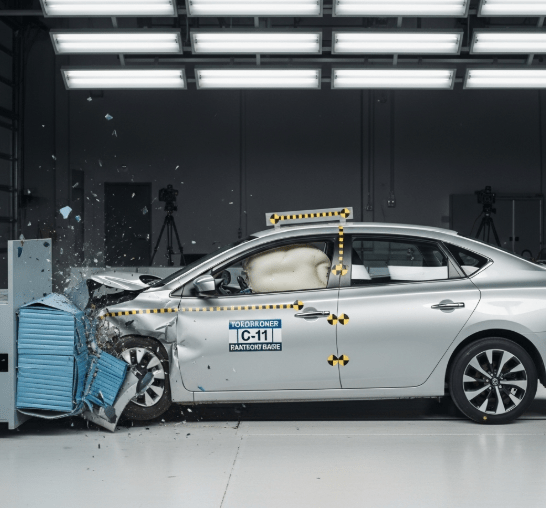
Before any other metric, safety is paramount. The gold standard for vehicle safety in the United States is the Insurance Institute for Highway Safety (IIHS). Their TOP SAFETY PICK+ (TSP+) award is the industry’s most rigorous and trusted accolade, requiring top marks in multiple crash tests, advanced crash prevention technology, and high-quality headlights.
Here are the brands and specific models that consistently make the grade in key student-friendly segments.
The 2025 IIHS Honor Roll for Student Vehicles:
- Top Brands for Safety: Based on the number of TSP/TSP+ awards in small-to-midsize segments, Honda, Toyota, Subaru, Hyundai/Kia, and Nissan consistently lead the industry.
- Small Car Winners (TSP/TSP+):
- Honda Civic (Sedan & Hatchback)
- Hyundai Elantra
- Nissan Sentra
- Toyota Corolla (Sedan & Hatchback)
- Midsize Car Winners (TSP/TSP+):
- Honda Accord
- Nissan Altima
- Subaru Legacy
- Toyota Camry
- Small SUV Winners (TSP/TSP+):
- Honda CR-V
- Hyundai Tucson
- Nissan Rogue
- Subaru Crosstrek
- Toyota RAV4
Source: Insurance Institute for Highway Safety (IIHS), 2025 Award Winners.
2. The Reliability Report Card: Avoiding the Breakdown

An unreliable vehicle is more than an inconvenience; for a student away from home, it’s a significant financial burden and a safety risk. A car that avoids the repair shop is essential.
Based on large-scale owner surveys and dependability studies, a clear hierarchy of reliability emerges.
Top 5 Most Reliable Brands for New Cars (Under $35k):
- Toyota
- Honda
- Subaru
- Hyundai
- Kia
It’s also worth noting that while some brands may not top the overall rankings, certain models show strong individual performance. The Nissan Rogue, for example, has earned positive owner feedback for its improved reliability in recent model years, making it a solid choice to consider.
Source: Based on aggregated data from Consumer Reports Annual Auto Surveys and J.D. Power Vehicle Dependability Studies.
3. The Cost-of-Ownership Breakdown (The “Bank of Mom & Dad” Index)

The sticker price is just the beginning. The true cost of a car includes fuel, insurance, and depreciation (how much value it loses). A vehicle that excels in these three areas will save thousands of dollars over its lifetime.
Cost of Ownership All-Stars:
| Model | EPA Combined MPG | Average Insurance Cost | 5-Year Resale Value |
| Honda Civic | Excellent (36 MPG) | Low | Excellent |
| Toyota Corolla Hybrid | Top-Tier (50 MPG) | Low | Excellent |
| Subaru Crosstrek | Good (29 MPG) | Average | Excellent |
| Hyundai Elantra | Excellent (37 MPG) | Low | Good |
When considering budget, it’s also important to look at individual strengths. The Nissan Sentra, for example, offers excellent fuel economy (up to 34 MPG combined), making it very light on the wallet at the pump. While its overall resale value may not lead the class, its often competitive purchase price can make the upfront cost highly accessible for many families.
Source: Data synthesized from U.S. EPA (fueleconomy.gov), Kelley Blue Book (KBB) 5-Year Cost to Own awards, and AAA insurance cost studies.
4. The Tech That Truly Matters: The Standard Safety Advantage

Don’t be distracted by the size of the touchscreen. The most important technology in a student’s car is the technology that can prevent an accident. Key features like Automatic Emergency Braking (AEB) and Blind Spot Monitoring are critical safety nets. The best brands include them for free.
The Standard vs. Optional Analysis:
- The Leaders (Standard):
- Nissan Safety Shield® 360: Standard on most new Nissans, including the Sentra and Rogue. Includes AEB w/ Pedestrian Detection, Rear Automatic Braking, Blind Spot Warning, and Rear Cross Traffic Alert—a huge advantage.
- Toyota Safety Sense: Standard on virtually every new Toyota.
- Honda Sensing: Standard on nearly every new Honda.
- Subaru EyeSight: Standard on all Subaru models equipped with an automatic transmission.
- The Rest (Often Optional): Many other automakers reserve these life-saving features for higher, more expensive trim levels or force you to buy them as part of a costly optional package. The standard inclusion of these features by the brands listed above is a massive consideration for any parent.
The Formula for Success
Choosing the right vehicle for a new student isn’t about finding the flashiest car—it’s about finding the smartest one. The data provides a clear formula: a top-tier IIHS safety award, a proven record of reliability, low ownership costs, and a full suite of standard safety technology.
By focusing on these four pillars, you can ensure the new driver in your family has a ride that is safe, dependable, and a sound financial decision for years to come.

I appreciate you reading this article, and encourage you to engage with me not only here in the comments, but also on social media in the posts. You can get the posts as soon as they are published by subscribing below. Thanks for the support, and until next time!





 TheLoganZone
Leave a comment