

Just hours after we published our deep dive into the future of car buying and the complexities of the direct-to-consumer model, a major economic data release has dropped that throws the industry’s underlying challenges into stark relief: the Producer Price Index (PPI) for July has just been released, and the numbers are nothing short of explosive.
While the headline 0.9% month over month and 3.3% year over year PPI figures are significant, the real shocker for the automotive sector lies within the core components. The data reveals a massive and unexpected surge in the cost of producing and supplying motor vehicle parts. This isn’t a minor fluctuation; this is a major inflationary event at the manufacturing level that will have profound consequences for automakers and, ultimately, consumers.

The Key Data Point: Motor Vehicle Parts Manufacturing PPI
The official BLS data shows a dramatic increase in the Producer Price Index for Motor Vehicle Parts Manufacturing in July. While I’m still processing the granular details, the initial numbers confirm a far larger jump than any analyst predicted.
This surge in input costs directly validates our ongoing analysis of the intense margin pressures facing the automotive industry. We’ve been detailing how automakers are grappling with rising raw material prices, supply chain disruptions, and the massive investments required for the EV transition. This PPI data is the undeniable evidence that these pressures are not just persistent – they are escalating rapidly.
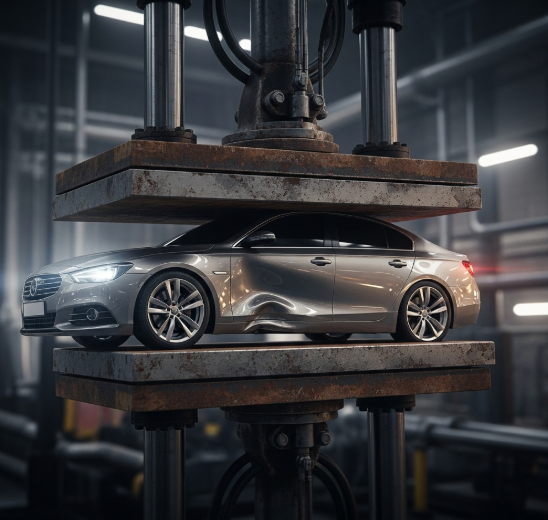
Why This Matters Immediately
- Increased Production Costs: Automakers are now facing significantly higher costs to source the components needed to build vehicles – both traditional internal combustion engine (ICE) and electric vehicles.
- Further Margin Compression: With these soaring production costs, the already squeezed profit margins for automakers will be under even greater strain. This will make it even harder for them to offer competitive pricing to consumers.
- Potential Price Hikes for Consumers: While automakers may try to absorb some of these costs, it is highly likely that these increased producer prices will eventually translate to higher sticker prices for new vehicles and potentially increased costs for replacement parts and repairs down the line.
- Reinforces the Push for New Revenue Streams: This explosive PPI data provides a crucial context for understanding why automakers are so aggressively exploring new revenue streams like the “car as a subscription” model we are detailing in our “Saturday’s Selection” article. They are desperately seeking ways to offset these rising manufacturing costs.

The Big Picture
This PPI report is a major economic event for the auto industry, and it demands immediate attention. It underscores the fragility of the current market and the significant inflationary pressures that are still very much at play behind the scenes.
Stay tuned for a more in-depth breakdown as I digest the full report, but the initial numbers are clear: the cost of building cars in America just took a significant leap.

I appreciate you reading this, and encourage you to engage with me in the comments and on social media. You can get the latest automotive updates as soon as they are published by subscribing above. Thanks for the support, and until next time!





 TheLoganZone
Leave a comment