

In a surprising show of resilience, new car registrations in the European Union jumped 7.4% year-over-year in July, according to the just-released data from the European Automobile Manufacturers’ Association (ACEA). This positive monthly performance comes despite a challenging year for the bloc, with the year-to-date (YTD) market remaining essentially flat, down only 0.7%.
The real story, however, is the dramatic shift in what Europeans are buying. Hybrid-electric vehicles (HEVs) have surged to become the undisputed powertrain of choice, while the combined market share of traditional gasoline and diesel cars has fallen off a cliff.
Let’s break down the official numbers and what they mean for the global auto market.

Based in Daytona Beach, Florida, Josh Logan provides data-driven analysis from the unique perspective of a seasoned automotive professional. His goal is to empower consumers with insider knowledge to navigate the complexities of the modern car market.
The European Market Snapshot (July 2025 YTD)
| Powertrain Market Share | July 2025 YTD | vs. July 2024 YTD | Analyst Outlook |
| HEV (Hybrid) | 34.7% | ▲ (from 29.6%) | Surging / Dominant |
| Petrol (Gasoline) | 28.3% | ▼ (from 35.1%) | Rapid Decline |
| BEV (Full Electric) | 15.6% | ▲ (from 12.5%) | Solid Growth |
| Diesel | 9.5% | ▼ (from 12.8%) | Fading Out |
| PHEV (Plug-in Hybrid) | 8.6% | ▲ (from 6.9%) | Growing Momentum |
Source: ACEA (European Automobile Manufacturers’ Association), Report released August 28, 2025.

Analysis: A Market in Rapid Transition
1. Hybrids are the Undisputed Kings of Europe With nearly 35% of the total market, hybrid-electric vehicles are now the most popular powertrain choice for EU consumers, and it’s not even close. This massive surge, driven by double-digit growth in major markets like France and Spain, proves that mainstream buyers are overwhelmingly choosing the flexibility and efficiency of hybrids as the primary path toward electrification.
2. The Internal Combustion Engine is in Freefall The most dramatic story is the collapse of traditional powertrains. The combined market share for gasoline and diesel cars has plummeted to just 37.7%, down from nearly 48% just one year ago. This is a stunningly fast transition, with gasoline car registrations declining by over 20% this year.
3. Battery-Electric Growth is Solid, But Not Dominant While the BEV market share grew to a respectable 15.6% YTD (up from 12.5% last year), it is clearly not the primary choice for the majority of buyers. While Germany saw impressive BEV growth, the overall numbers show that hybrids are capturing a much larger slice of the pie from fleeing gasoline and diesel customers.
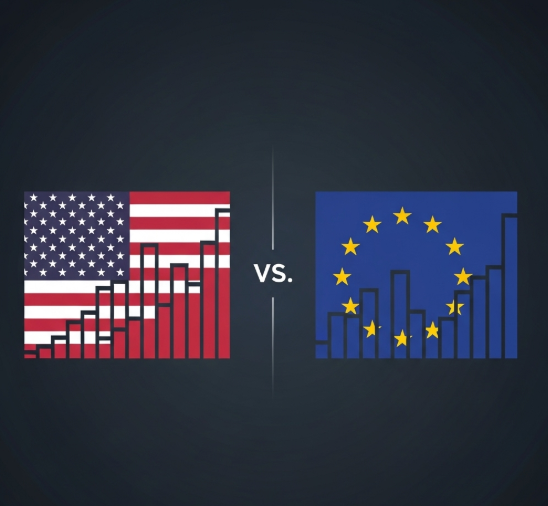
The U.S. vs. EU: A Shared Reality
This new data reinforces a trend we are also seeing in the U.S. While Europe is much further along in its transition away from pure gasoline vehicles, both continents are sending the same clear signal: hybrids are the dominant transition technology of 2025. Consumers on both sides of the Atlantic are voting with their wallets for the technology that provides a balance of efficiency and convenience without the range anxiety or high entry cost of a full BEV. The path to an electric future, it seems, is paved with hybrid technology.
The “Pepsi vs. Coke” Analogy Revisited
We’ve talked before about my theory of consumer demand: if a gas station only stocks Pepsi, is it because of a brand deal, or because that’s what customers demand? The answer is almost always demand.
This European data is the ultimate proof. For decades, the entire industry has stocked nothing but “Pepsi” (traditional gasoline & diesel cars). The new choice, “Coke” (all forms of electrification—BEV, Hybrid, and PHEV), has arrived, and the data shows a stunning shift in consumer taste.
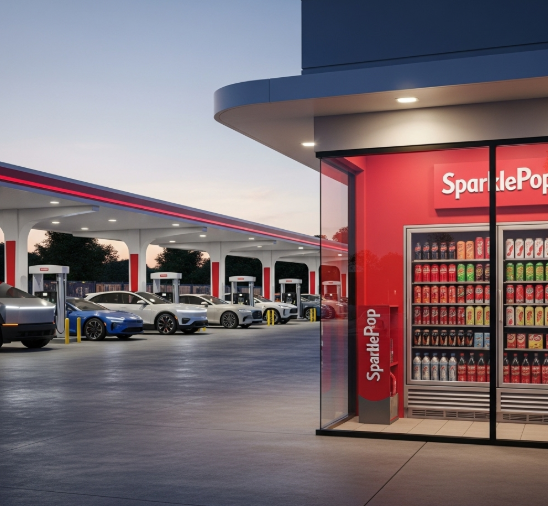
The European consumer is now overwhelmingly buying “Coke.” With a combined market share of nearly 59%, electrified vehicles are no longer the alternative; they are the clear and dominant choice. The market is speaking, and it’s leaving “Pepsi” behind on the shelf as it embraces the new flavor of modern powertrains.
What We’re Watching Next:
A Global Comparison

This report from Europe gives us a vital piece of the global puzzle, but it also sets the stage for our next major data drop here at home. The official U.S. Total Auto Sales report for August is due to be released next week, on or around September 3rd.
This will give us a fantastic opportunity for a direct, apples-to-apples comparison. We will analyze:
- Was the U.S. market’s surprising strength in July a fluke, or did the demand continue into August?
- How does the U.S. powertrain mix for August compare to these new European numbers? Are American buyers also flocking to hybrids?
- Which market is showing more signs of stress heading into the fall?
By comparing these two massive markets side-by-side, we will get the clearest picture yet of the true health and direction of the global auto industry. Stay tuned.

I appreciate you reading this, and encourage you to engage with me in the comments and on social media. You can get the latest automotive updates as soon as they are published by subscribing above. Thanks for the support, and until next time!




 TheLoganZone
Leave a comment