
This Audio above is a Podcast style, AI Audio Overview of the Article you will be reading, it is not a line by line narration, but rather more content for you to enjoy!
Your car is often your second biggest asset. When it’s time to sell, you face a critical choice: the guaranteed convenience of trading it in, or the potential for thousands of extra dollars by selling it privately. In one of our last Saturday’s Selections, we pulled back the curtain on the professional trade-in process. Now, we’re tackling the other side of the coin.
Most people avoid the private market for a few simple reasons: the hassle, the fear of dealing with strangers, and the very real risk of sophisticated scams. But it doesn’t have to be that way.
As a 13-year automotive professional, I’m here to give you the insider’s playbook. This isn’t just a list of tips; it’s a step-by-step professional guide to navigating the private market safely, confidently, and maximizing every single dollar you deserve.
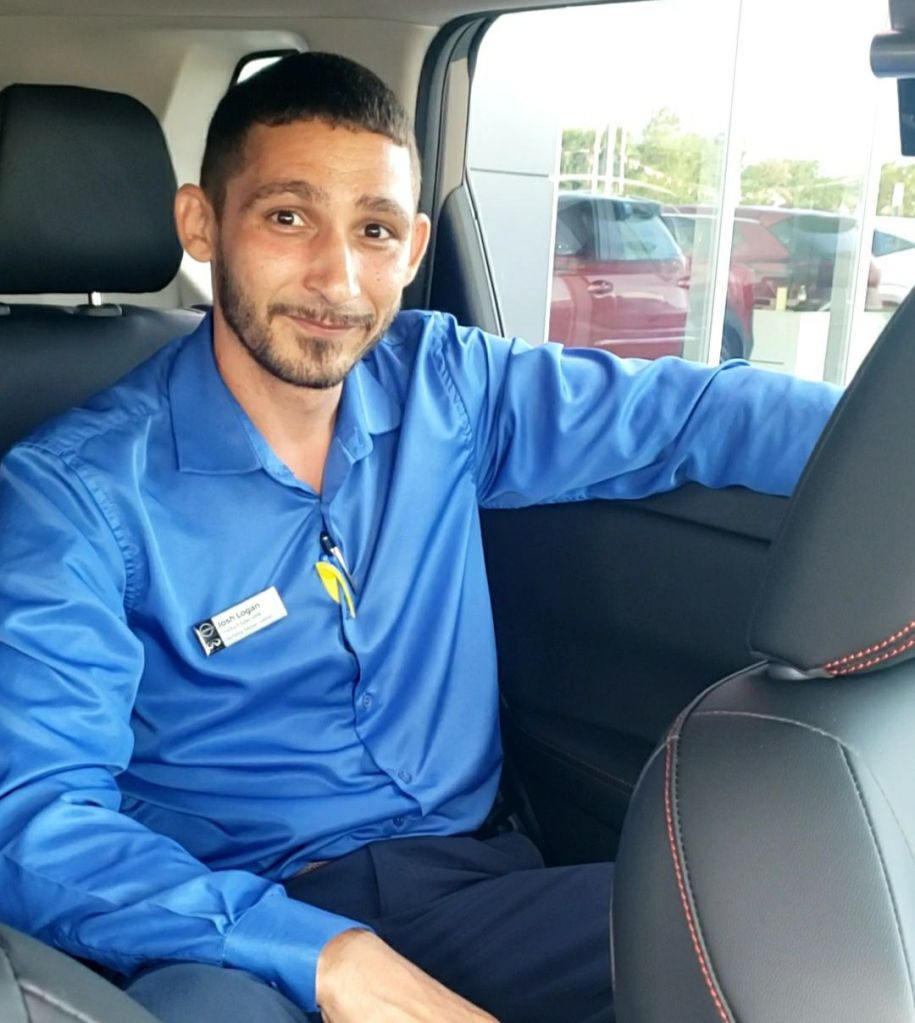
Based in Daytona Beach, Florida, Josh Logan provides data-driven analysis from the unique perspective of a seasoned automotive professional. His goal is to empower consumers with insider knowledge to navigate the complexities of the modern car market.
The Preparation Phase:
Setting the Stage for Success
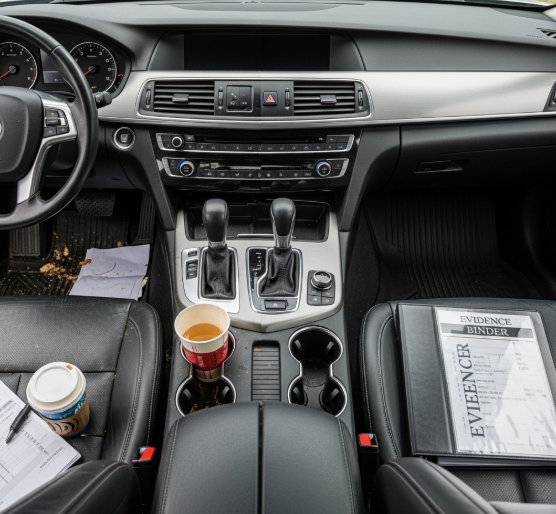
The work you do before you even list the car is what separates a quick, profitable sale from a frustrating, months-long ordeal. Professionals call this “reconditioning,” and it has an incredible return on investment.
First, invest in a professional detail. This is not a simple car wash. A true professional detail can cost several hundred dollars, but it can add more value to and help justify the asking price. They can help eliminate odors, shampoo carpets, and present the car in its best possible light. A clean car is a car that was cared for.
Second, address minor, visible flaws. A chip in the windshield or a burned-out taillight might seem small, but to a buyer, it’s a negotiating tool. Spending or even using insurance to repair a windshield can prevent a buyer from demanding a discount for a “broken windshield.”
Finally, assemble your “Evidence Binder.” This is your ultimate tool for building trust and proving your car’s value. It should include:
- All of your service and maintenance records, organized by date.
- A clean, recently-printed vehicle history report (CarFax or AutoCheck).
- The original window sticker, if you still have it.
The Pricing Strategy:
A Data-Driven Approach
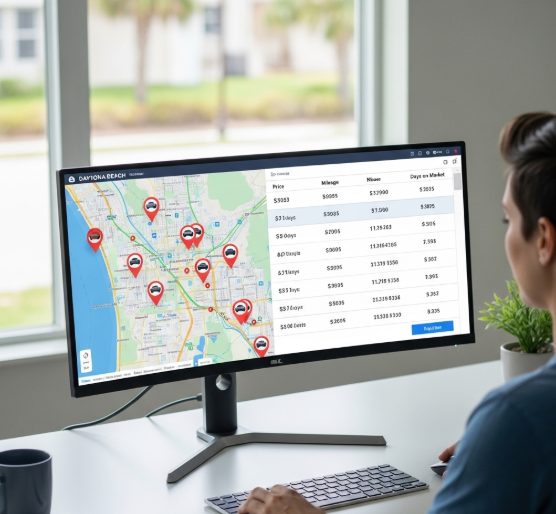
Pricing your car correctly is the most critical step. Using a single online tool like KBB is a common mistake and only a starting point. To price your car like a professional, you need to do your own local market analysis.
Go to Facebook Marketplace, Craigslist, and Autotrader and search for the exact same year, make, model, and similar mileage as your vehicle within a 100-mile radius of your location. This is your real competition. Note their prices, condition, and—most importantly—how long they’ve been for sale. If you see five identical cars that have been sitting for 60 days at $20,000, you now know that the true market value is less than that.
Set your asking price slightly above the average of your comparable vehicles to leave yourself a comfortable buffer for negotiation.
The Advertisement:
Crafting the Perfect Listing
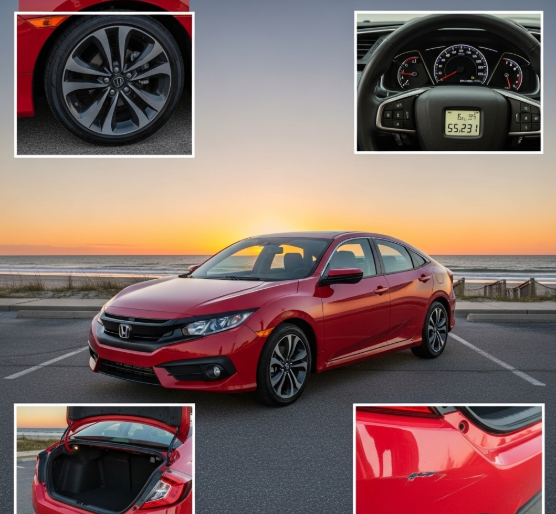
Your ad is your digital showroom. High-quality photos and a transparent description are non-negotiable.
The Photos: You need a minimum of 20-25 high-quality photos taken on a bright, overcast day (to avoid harsh shadows). The shot list is simple:
- Exterior: Front 3/4 angle (the “hero” shot), rear 3/4 angle, direct shots of both sides, front, and back.
- Details: Close-ups of all four wheels and tires, and close-ups of any significant scratches or dings (this builds trust).
- Interior: The dashboard (showing mileage), the infotainment screen (while on), the front seats, the back seats, the open trunk, and the engine bay.
The Description: Be professional and transparent. Start with the facts: Year, Make, Model, Trim, Mileage, and VIN. List all major options and features. Then, write a brief, honest paragraph about the vehicle’s condition, why you’re selling it, and any known issues. An honest ad attracts honest buyers.
The Interaction:
How to Spot Scammers and Stay Safe

This is the part that scares most people, but 99% of scams follow the same patterns. Here are some of the red flags to watch for:
- The Overpayment Scam: Someone offers to send a certified check for more than your asking price and asks you to send them the difference. The check is fake, and you will be out the money you sent.
- The “Shipper/Agent” Scam: A buyer, often claiming to be overseas or in the military, says they will send a “shipping agent” to pick up the car. This is almost always a front for a fake payment scam. Deal locally, in person, only.
- The Phishing Scam: A “buyer” insists you purchase a vehicle history report from a specific, strange-looking website. They are simply trying to steal your credit card information. Honestly, Why are you even clicking random links sent to you at all, while THEY are buying YOUR car???
Safety Best Practices:
- Always meet in a safe, public place. The parking lot of your local police department or a busy bank is an excellent choice.
- Never meet at your home.
- Do not go on a test drive alone. Bring a friend or family member.
- Consider taking a picture of the potential buyer’s driver’s license before the test drive, with Consent
The Transaction:
Closing the Deal Like a Pro

Once you’ve agreed on a price, the final transaction needs to be handled professionally.
Payment: Do not accept personal checks, wire transfers, or payment apps like Venmo or Zelle. The two safest methods are:
- Cash: The buyer brings you cash, and you both go directly to your bank to deposit it and confirm it’s genuine.
- Cashier’s Check: You and the buyer go to their bank together. You watch the teller issue the official cashier’s check and hand it directly to you.
Paperwork: You will need two key documents:
- The Title: Sign the “Seller” section of the vehicle’s title. Do not make any mistakes, as that can void the title.
- A Bill of Sale: Create a simple document that lists the vehicle info (VIN, mileage), the sale price, the date, and the names/signatures of both you and the buyer. This is your receipt.
Selling privately requires more effort than a trade-in, but it’s not a mystery. By preparing the vehicle, using data to set the price, and following a safe, professional process for the interaction and transaction, you can confidently and safely add thousands of dollars to your pocket.
A Professional Disclaimer
The information provided in this article is for educational and informational purposes only, based on my 13 years of professional experience in the automotive industry. It is not intended to be a substitute for professional legal, financial, or mechanical advice. Laws regarding vehicle sales, title transfers, and taxes vary significantly by state and county. It is your personal responsibility to consult with your local DMV, a trusted mechanic, and any relevant legal or financial professionals to ensure your transaction is handled correctly and safely. Josh Logan and TheLoganZone assumes no liability for any outcomes resulting from the use of the information in this guide.

I appreciate you reading this, and encourage you to engage with me in the comments and on social media. You can get the latest automotive updates as soon as they are published by subscribing above. Thanks for the support, and until next time!




 TheLoganZone
Leave a reply to TheLoganZone Insider Report: September 2025 – TheLoganZone Cancel reply