
This Audio above is a Podcast style, AI Audio Overview of the Article you will be reading, it is not a line by line narration, but rather more content for you to enjoy!
In the complex ecosystem of the American auto industry, some crises unfold in plain sight on dealership lots, while others fester in the shadows, hidden deep within the labyrinth of corporate finance. Today, we expose a crisis of the second kind—a financial implosion so vast and so sudden that it threatens to destabilize the very foundation of the automotive supply chain.
First Brands Group, the corporate titan behind iconic, all-American brands like Fram filters, Trico wiper blades, and Raybestos brakes, has filed for Chapter 11 bankruptcy. But this is no simple business failure. This is the story of a private equity empire that spectacularly collapsed under the weight of a staggering $11.6 billion in hidden and on-the-books debt. The situation is so dire that a major creditor claims $2.3 billion is simply unaccounted for, all while the company’s founder and CEO, Patrick James, has abruptly resigned.
From our desk here in Daytona Beach, this looks like the next devastating chapter in the saga of the “Great Squeeze.” We have documented how financial pressure is breaking consumers and subprime lenders. Now, we are seeing that same pressure fracture the heavily indebted corporate structures that were built in the dark, far from the eyes of regulators. This is the story of the First Brands shadow collapse.

Based in Daytona Beach, Florida, Josh Logan provides data-driven analysis from the unique perspective of a seasoned automotive professional. His goal is to empower consumers with insider knowledge to navigate the complexities of the modern car market.
The Numbers Behind the Collapse
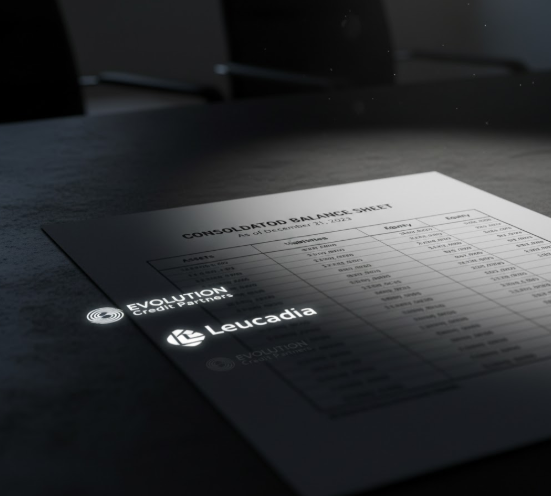
The figures at the heart of the First Brands bankruptcy are difficult to comprehend. The company, which owns a portfolio of the most recognizable auto parts brands in the country, was brought down by a mountain of debt so large it was almost inconceivable for a company in its sector. The total liability stands at an astronomical $11.6 billion even though until the filings, the world thought only of the $6 billion in on-the-books debt.
This number is the key to the entire crisis. It represents a combination of traditional, on-the-books debt and a massive, hidden network of off-balance-sheet financing—a complex web of loans and liabilities intentionally kept separate from the company’s main financial statements to project an illusion of health.
The drama escalated dramatically with the sudden and unexpected resignation of the company’s founder, CEO, and Chairman, Patrick James. In the world of high-stakes corporate turnarounds, the captain does not abandon the ship in the middle of a storm unless the vessel is already considered lost. His abrupt exit signals a crisis of confidence at the highest level, leaving investors and the industry reeling. This isn’t just a restructuring; it’s a full-blown, five-alarm fire.

Start Your Research Here
The ‘A’ in A.S.M.R. is for Automotive. This is your toolkit for becoming a smarter buyer.
The Shadow Machinery
How to Hide Billions
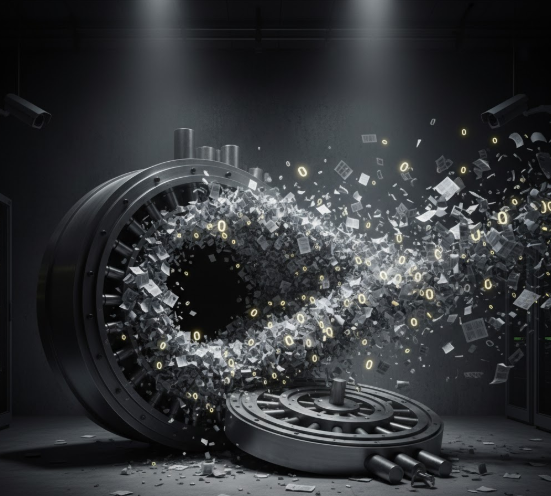
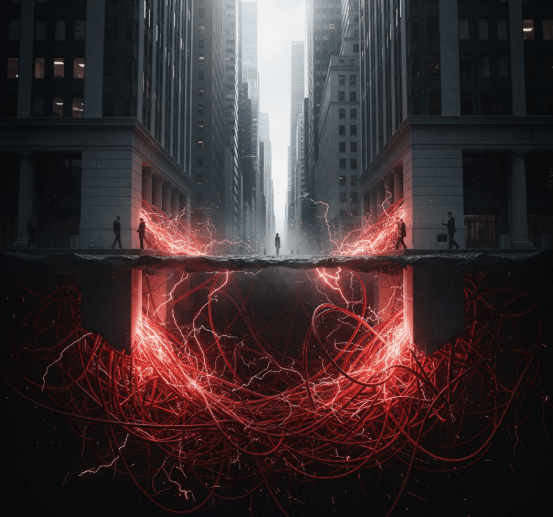
How does a company amass over eleven billion dollars in debt, with a significant portion hidden from plain view? The answer lies in the opaque and largely unregulated world of “shadow banking.” Unlike traditional banks, shadow lenders are private firms that are not subject to the same strict regulatory oversight. They can engage in far riskier lending practices, often creating the complex financial instruments that allow a company to hide its true level of debt.
According to court filings, First Brands was deeply entangled with a consortium of these shadow lenders. The key players identified so far include Evolution Credit Partners, Leucadia Asset Management, Katsumi Global, and Raistone.
These firms allegedly facilitated the “off-balance-sheet financing” that allowed First Brands to appear financially stronger than it truly was. This practice is the direct cause of the creditor’s stunning and explosive claim that $2.3 billion in funds is unaccounted for. This isn’t a simple accounting error; it’s an allegation that billions of dollars were moved through a financial shadow world so complex that even the company’s own creditors cannot seem to trace it. This was the hidden machinery that fueled the company’s aggressive growth and precipitated its catastrophic fall.

Own It Right.
The ‘M’ is for Maintenance. Find your vehicle’s official factory service schedule.
The Inevitable Collapse
With its financial foundation rotting from the inside out, the final collapse was not a matter of if, but when. First Brands Group officially filed for Chapter 11 bankruptcy protection in the Southern District of Texas. It is critical to note that, according to our analysis of the filings, this was not a crisis caused by rising interest rates making debt payments unaffordable. This was a crisis of over-leveraging. The company’s structure was so complex and so saturated with debt that it was a ticking time bomb, destined to detonate regardless of external market conditions.
The court has approved $500 million in emergency “debtor-in-possession” financing. This infusion of cash is not a solution; it is a temporary lifeline designed to do little more than keep the lights on and ensure the company’s 25,000 employees continue to receive paychecks while the wreckage is sorted out. It is a tourniquet on a wound that requires radical surgery.

A Warning from the Shadows
Just two days ago, we dissected the collapse of the subprime lender Tricolor, another company brought down by a complex and allegedly fraudulent financial structure that thrived in the shadows. The First Brands implosion is a stark warning that this is a systemic issue. The “Great Squeeze“ is no longer just breaking the budgets of consumers and the balance sheets of lenders; it is now shattering the heavily-indebted corporate giants that were built during an era of easy money and lax oversight.This instability in the parts supply chain will not remain a Wall Street problem. It will inevitably ripple outwards, creating what we will be calling a “Parts Squeeze” for the end consumer. As these iconic brands fight for survival, the market will face disruptions, potential shortages, and the certainty of higher prices. The collapse that began in the shadows of corporate finance will soon cast a very long shadow over the service bays and repair shops of Main Street America.
I appreciate you reading this, and encourage you to engage with me in the comments and on social media. You can get the latest automotive updates as soon as they are published by subscribing above. Thanks for the support, and until next time!


 TheLoganZone
Leave a reply to FLYING BLIND: The NDFI “Shadow Contagion” & The Big Banks’ Hidden Exposure – TheLoganZone Cancel reply